Local Law 11 Facade Repair Contractors in Manhattan
Your inspector found the problems. Our crews fix them. We repair Manhattan facades flagged under Local Law 11, from loose brick and rusted lintels to cracked terra cotta and failing parapets, so your amended report gets filed and the sidewalk shed comes down.
What Is Local Law 11 in NYC?
Local Law 11 is the name most owners still use for New York City’s Facade Inspection Safety Program (FISP). Every building taller than six stories must have its exterior walls and attached items examined every five years by a Qualified Exterior Wall Inspector (QEWI). The inspector then files a report with the Department of Buildings that rates the facade Safe, SWARMP (Safe With a Repair and Maintenance Program) or Unsafe.
That report is where our work starts. We are a repair contractor, not an inspection firm. We take each condition your QEWI listed, price it line by line, handle the permits and complete the repairs, so your inspector can sign off on the work and file the amended report.
- Covers buildings taller than six stories
- Exterior walls examined every five years
- Unsafe items repaired within 90 days of filing
- SWARMP items due on the date your QEWI sets
Local Law 11 Repairs by Manhattan Building Type
Manhattan facades wear out in different ways depending on when and how they were built. Pick the building closest to yours to see what inspectors usually flag on it.
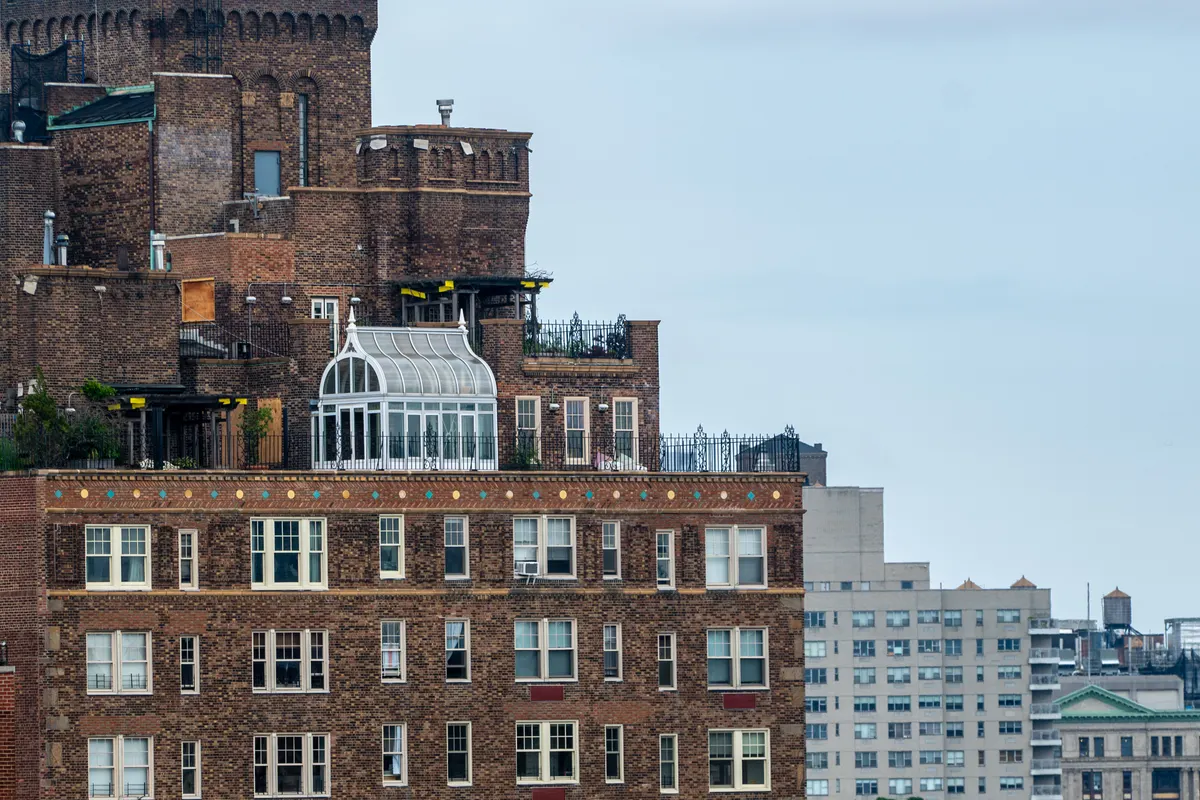
Pre-War Co-op Facades
- Steel lintels rusting and cracking the brick above windows
- Open mortar joints letting water into the wall
- Loose cornice sections or parapet coping
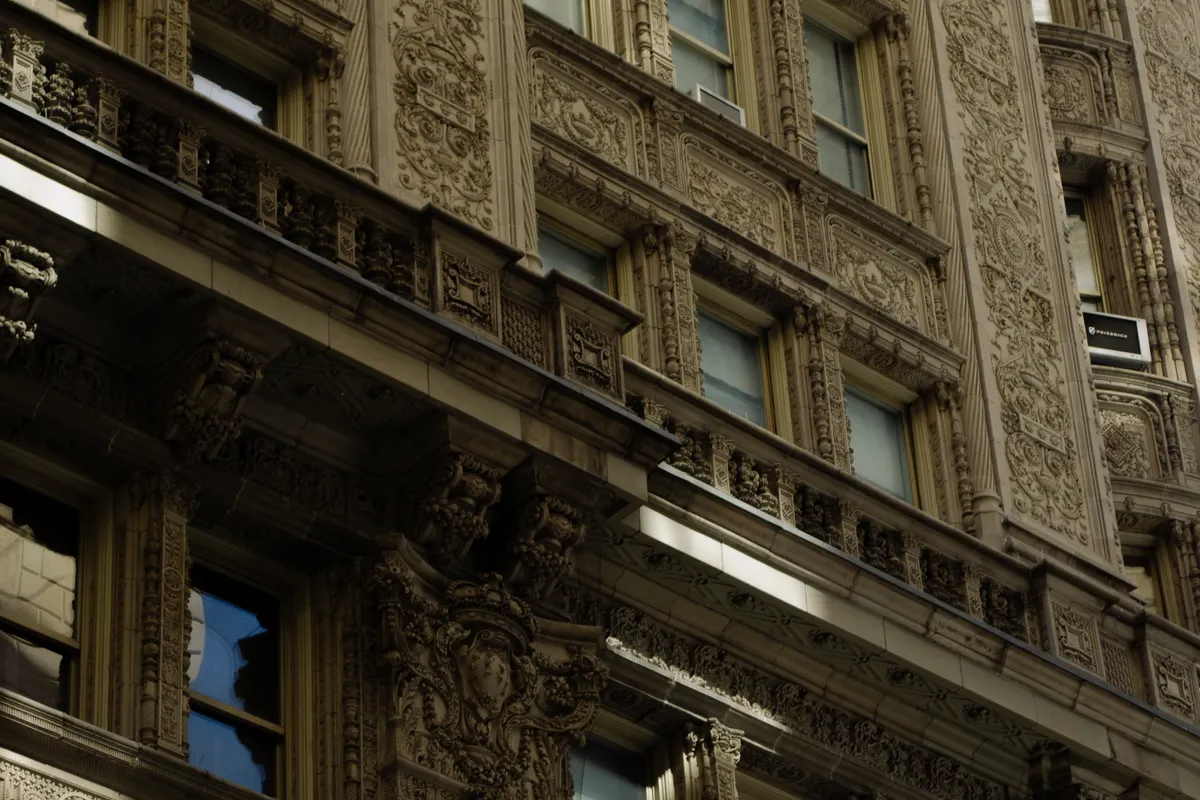
Landmark Building Facades
- Carved stone or terra cotta that has to match the original
- An LPC permit needed before any work starts
- Ornament that cannot be removed without approval
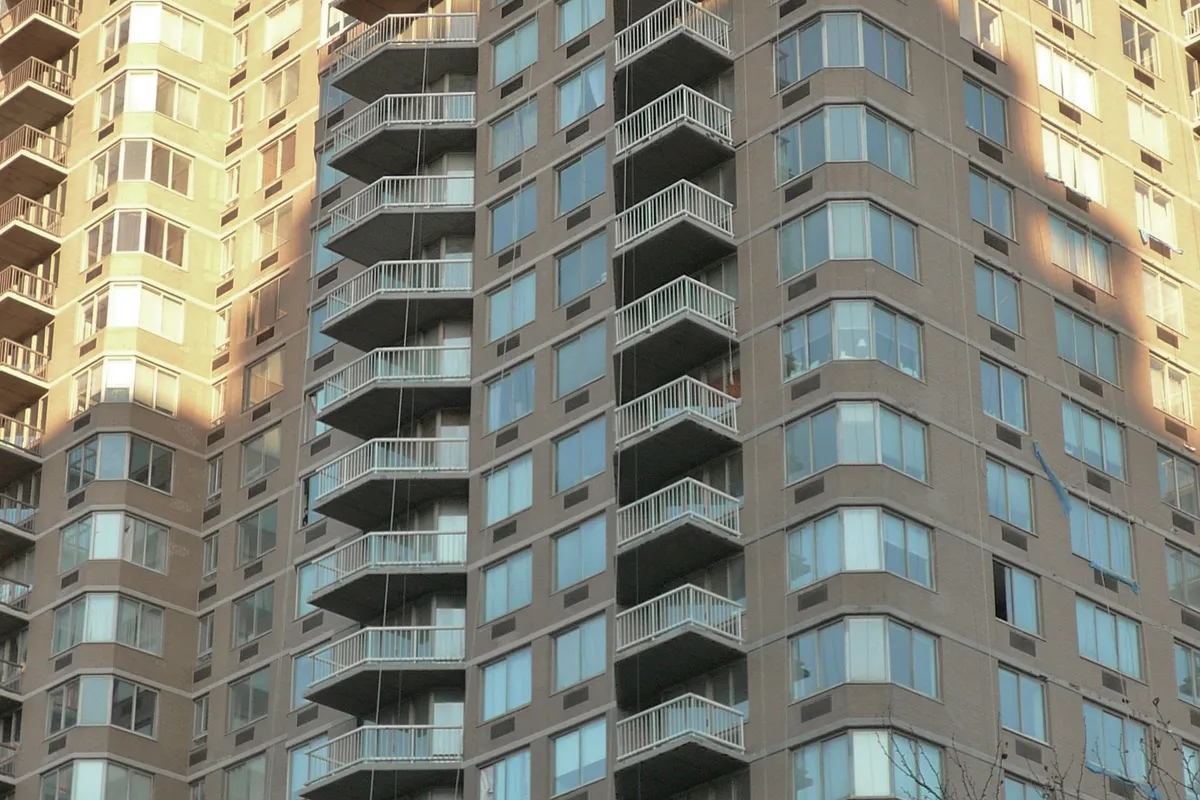
Post-War Apartment Towers
- Brick bulging at the floor lines, where the wall has no room to move
- Dried-out sealant around windows and joints
- Rusted balcony railings and cracked slab edges
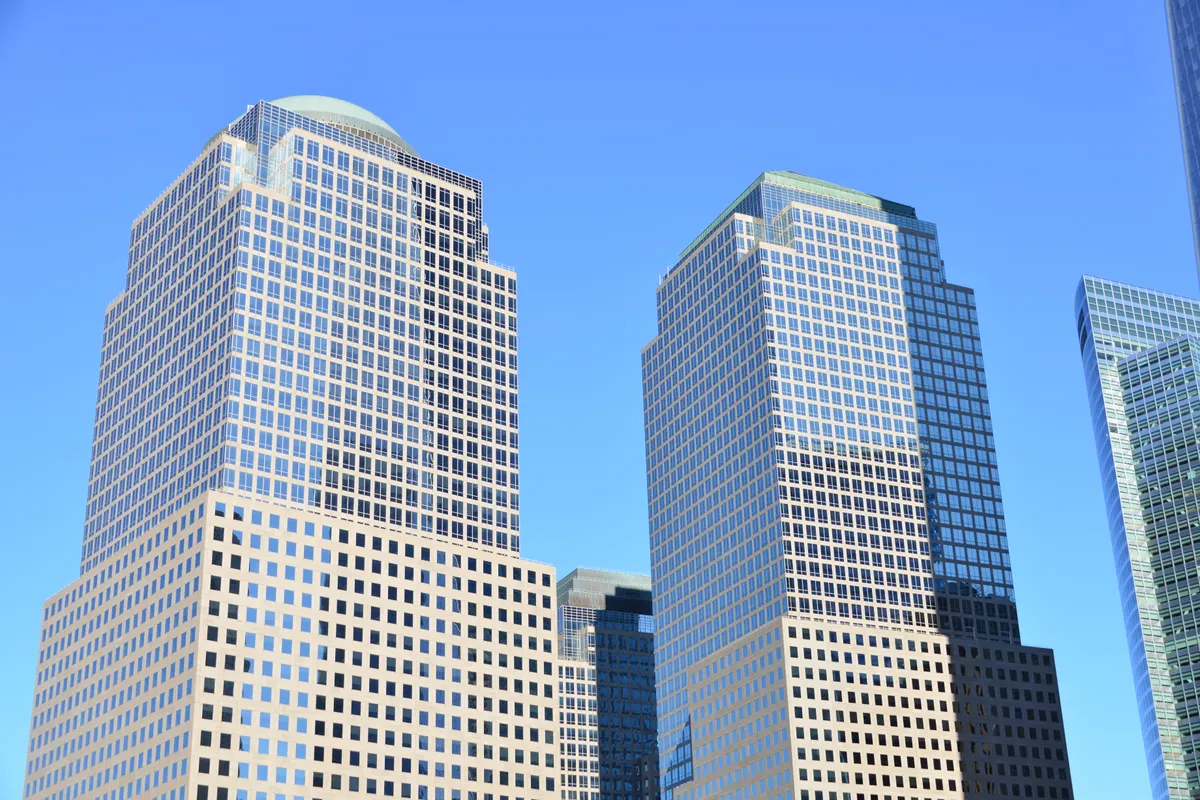
Modern High-Rise Towers
- Worn gaskets and sealant in glass curtain walls
- Loose metal panels or stone cladding anchors
- Work that needs suspended scaffolds or rope access
Local Law 11 Facade Conditions, Roof to Street Level
Your inspector works down the facade one zone at a time, and each zone fails in its own way. Here is where the common Local Law 11 conditions show up on a Manhattan building.
Roofline: Parapets and Cornices
Parapets, coping stones, cornices, rooftop railings and bulkhead walls.
Upper Floors: Terra Cotta and Stone
Terra cotta trim, carved stone, setback terraces, window sills and decorative bands.
Middle Floors: Brick and Lintels
Brick walls, mortar joints, steel lintels, balconies, fire escapes and air conditioner sleeves.
Street Level: Base and Sidewalk Shed
Base stone, storefront cladding, entrance canopies and the sidewalk shed that protects people below.
Sidewalk Shed Up Too Long in Manhattan?
A shed only comes down after the repairs behind it are finished and your inspector files an amended report. City rules now limit a shed permit to 90 days before it has to be renewed, and newer laws set deadlines for drawings, permits and finished repairs, with fines for each one missed. We plan the repair schedule around those dates, so the shed has a clear end date from day one.
Local Law 11 Facade Repair Services in Manhattan
Most of our jobs begin with a filed FISP report. We turn every Unsafe and SWARMP item into a priced scope, then schedule the repairs in the order the deadlines demand. You get one crew from first estimate to the final walk-through with your inspector.
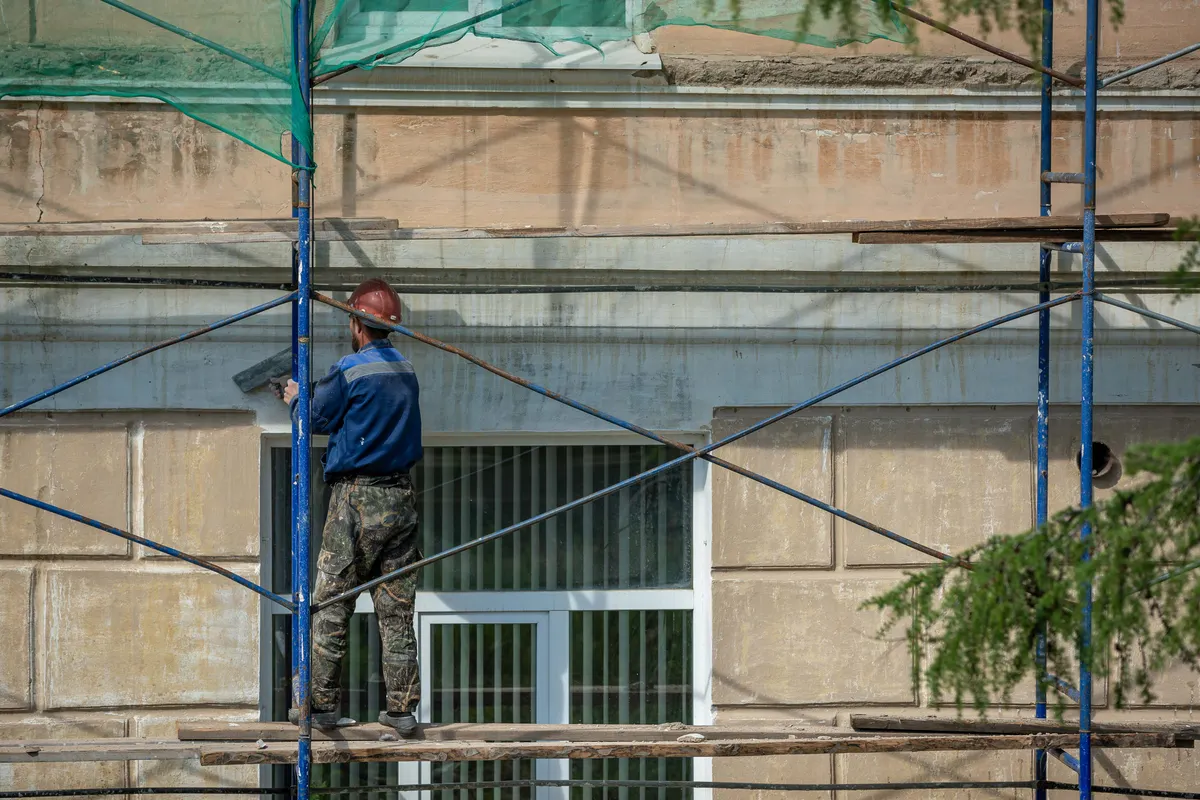
Local Law 11 Repairs on Manhattan Landmark Buildings
What Needs LPC Approval
Repairs to the visible facade of an individual landmark or a building in a historic district
Replacing stone, brick, terra cotta or ornament, especially with a different material
Taking down a cornice, balustrade or other feature, even when it has become unsafe
How We Handle LPC Work
We confirm landmark status before we price the job, so the schedule allows for review
We prepare the repair details, material samples and photos that LPC staff ask for
We line up the LPC permit with the DOB work permit, so one does not hold up the other
How Our Manhattan Facade Repair Process Works
Facade Report Review
Send us your QEWI report and photos. We read every listed condition and look at the building in person.
Repair Scope and Price
You get a line-by-line price tied to the report, with the deadline for each item marked.
DOB Permits and Access
We handle the DOB work permits, any LPC filing, and the scaffold, rigs or shed the job needs.
Repairs and Amended Report
Our crews complete the work and document it, so your inspector can review it and file the amended report.

Your QEWI Inspects, Our Facade Contractors Repair
Under FISP, only a Qualified Exterior Wall Inspector can examine your facade and file reports with the Department of Buildings. A QEWI is a New York State licensed architect or engineer with at least seven years of facade experience, approved by DOB. We do not inspect or file reports. We repair, and we work alongside the inspector you choose.
- Your inspector examines the facade and files the FISP report
- We price and complete the repairs that report lists
- Your inspector reviews the finished work and files the amended report
Facade Repair Contractors Across Manhattan Neighborhoods
Uptown Manhattan
Midtown Manhattan
Downtown Manhattan
Local Law 11 FAQs for Manhattan Building Owners
Yes. Local Law 11 of 1998 expanded the city's facade inspection rules, and the program is now officially called the Facade Inspection Safety Program (FISP). Owners, managers and contractors still use both names for the same requirement: buildings taller than six stories must have their facades examined and repaired.
Every five years. Each five-year cycle is split into three filing windows, called sub-cycles A, B and C, and the last digit of your building's block number decides which window you file in.
Safe means no repairs are needed this cycle. SWARMP means the facade is safe now but needs repairs by a date your inspector sets, between one and five years out. Unsafe means a condition is a danger to the public, so protection has to go up right away and repairs are due within 90 days.
No. Only a DOB-approved Qualified Exterior Wall Inspector (QEWI) can examine the facade and file the report. We are the repair contractor that fixes what the report lists, and we work with whichever inspector you hire.
It depends on how many conditions are listed, how the crew reaches them, and whether LPC approval is needed. Unsafe items carry a 90-day deadline that your inspector can ask DOB to extend. SWARMP items follow the date in the report.
Yes. Upload the report and your photos with the form on this page, or call (917) 355-8556. We will go through each listed condition and explain what the repair involves.
No. We take facade repair work in Manhattan only, from the southern tip of the island to the northern end.