
Landmark Facade Restoration for Manhattan's Historic and Pre-War Buildings
Facade work on a designated landmark or a building inside a historic district needs a Landmarks Preservation Commission permit before it starts, and the finished repair has to match the original in material, color and detail. We restore brick, brownstone, limestone and terra cotta to LPC standards, prepare the permit filing with your architect and keep the work moving ahead of your FISP deadline.
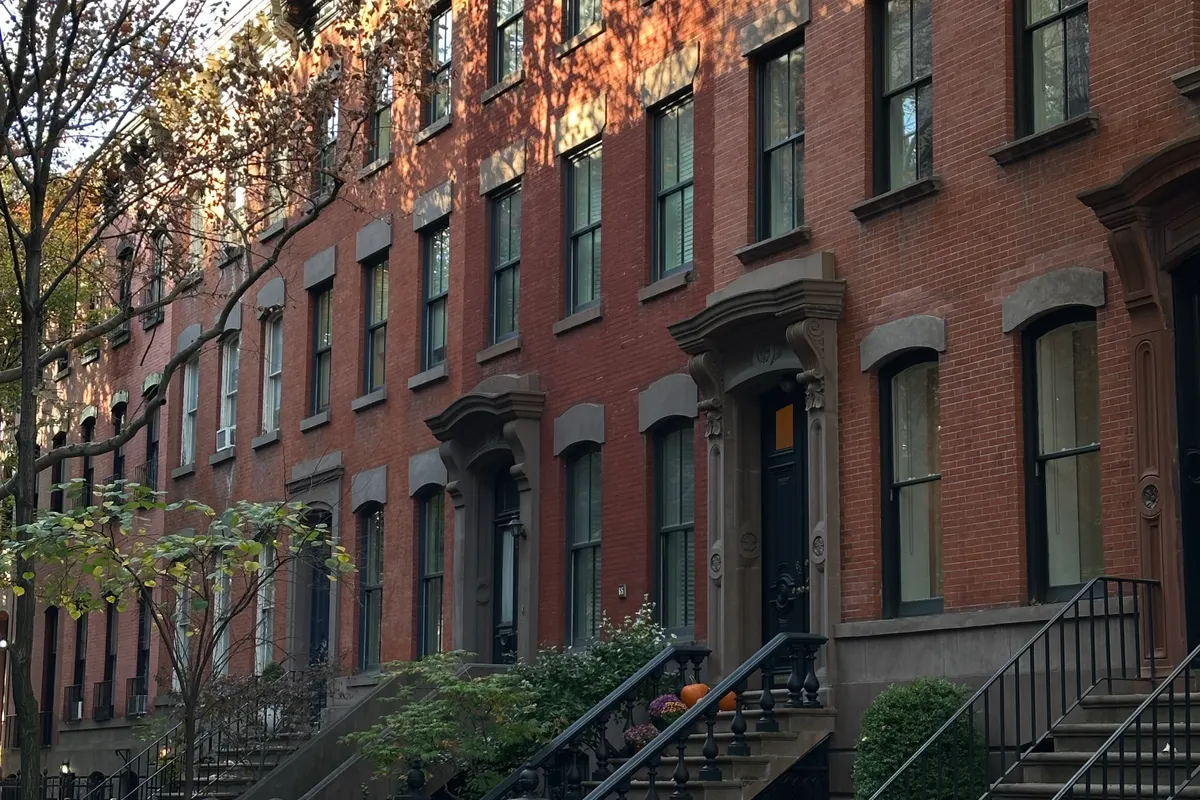
Do Facade Repairs on a Landmark Need an LPC Permit?
Yes. Almost all exterior work on an individual landmark or a building in a historic district needs a Landmarks Preservation Commission permit before it starts, including repointing, masonry cleaning, stone patching and replacement. Work that follows the LPC Rules is approved by staff, and that covers about 95% of LPC permits. Work beyond the rules, such as removing a cornice or stoop, needs a Certificate of Appropriateness from the full Commission after a public hearing.
We build every filing to fit the staff-level path: photos of each work area, a conditions report, mortar and stone samples, and specifications written to the LPC Rules. That matters for historic facade restoration tied to a FISP report, because DOB deadlines keep running while LPC reviews. Only limited emergency steps, like removing loose pieces that threaten the sidewalk, can happen before the permit, and LPC has to be told right away.
Historic Facades We Restore Under LPC Rules
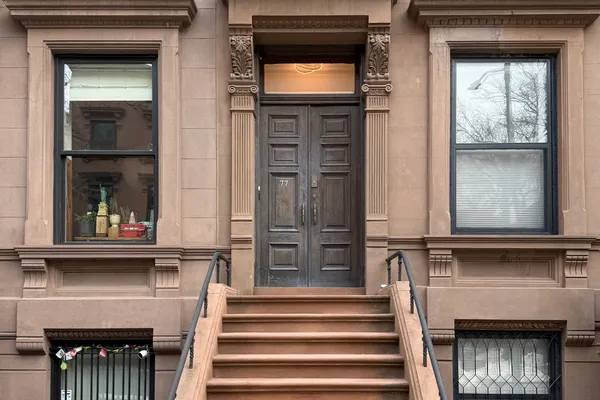
Brownstone fronts and stoops: patching, Dutchman repairs and in-kind replacement on row houses and their stoops.
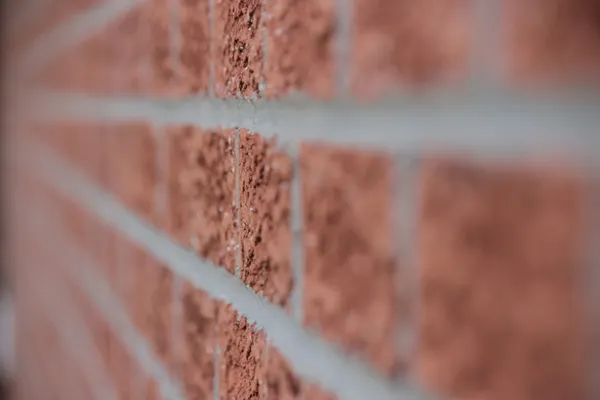
Pre-war brick: hand-raked repointing with mortar matched to the original color, strength and joint profile.
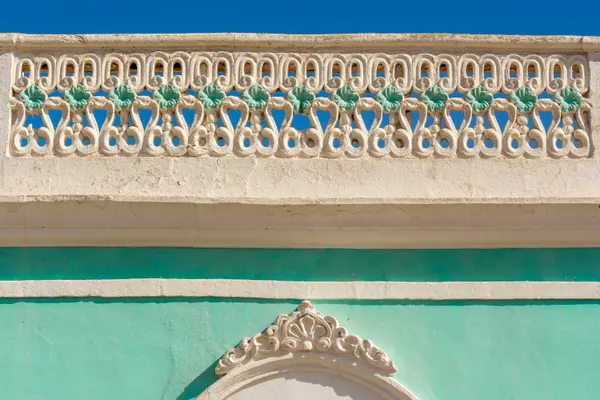
Limestone and granite: gentle cleaning, crack repair and carved detail work on apartment houses and civic buildings.
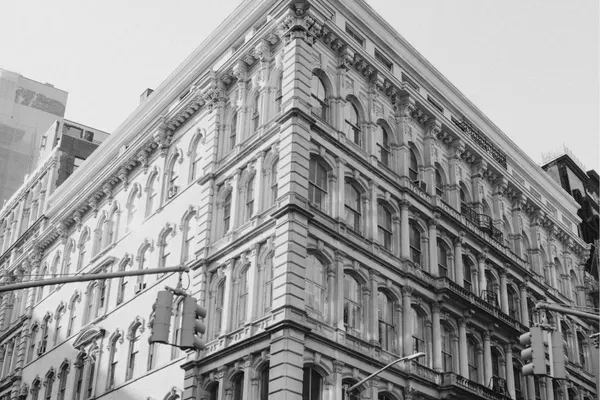
Cast iron fronts: rust removal, recast missing pieces and repainting to the documented historic color.
What Damages Historic Masonry Over Time
On most pre-war facades, the worst damage comes from past repairs rather than age alone. Materials that were too hard or too tightly sealed trap water in the wall, and each freeze and thaw pushes it further apart.
- Cement-rich mortar harder than the brick or stone, so the masonry cracks before the joint does
- Sandblasting or harsh chemical cleaning that stripped the protective outer face of the masonry
- Paint, sealers and skim coats that hold moisture behind the surface until it pops off
How We Take a Landmark Facade From Survey to Sign-Off

Survey and Document the Facade
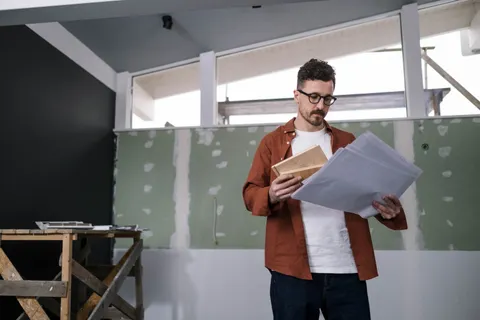
We photograph each elevation, map every condition and pull the 1940s tax photo, so the filing shows what is original and what was changed later.
Prepare the LPC Application
Specifications are written to the LPC Rules and filed through Portico with your architect, along with DOB drawings when the work needs a building permit.
Install Samples for Staff Approval
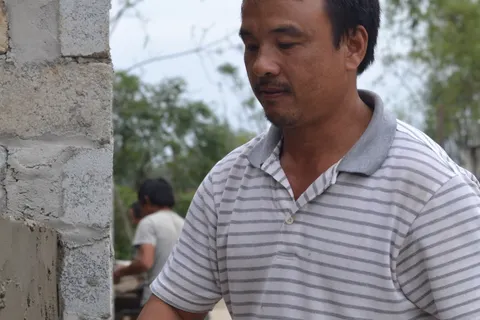
Mortar, patch and cleaning samples go up beside sound original material, with at least two options for LPC staff to choose from.
Restore With Matched Materials
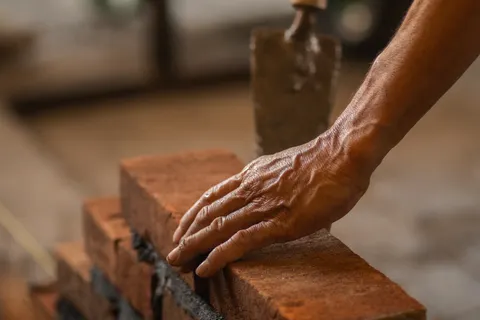
Crews rake joints by hand for brick repointing, patch or replace stone in kind and keep salvaged pieces as a pattern for new work.
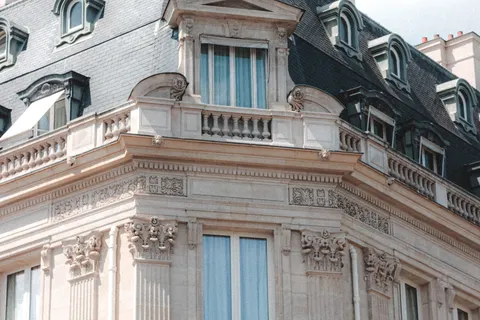
Close Out With LPC and DOB
Completion photos go to LPC for a Notice of Compliance, which DOB often asks for before it closes out the permit.
Which LPC Permit Your Facade Work Needs
LPC sorts facade work by how much it changes the building. The permit type sets the paperwork you file and how long review takes.
Certificate of No Effect
For work that needs a DOB permit but leaves protected features intact, such as structural masonry repair or replacing failed stone in kind.
Permit for Minor Work
For restorative work with no DOB permit, such as repointing, gentle cleaning and patch repairs that follow the LPC Rules.
Expedited and FasTrack Filings
Staff-level services for complete, well-documented filings. Some approvals come back within days instead of weeks.
Certificate of Appropriateness
For work beyond the staff rules, such as removing a cornice or stoop. The plan goes to the Community Board, then a Commission hearing.
Emergency Work Before the LPC Permit
Loose facade pieces that threaten the public can be removed before LPC approves anything, and tarps can cover open holes. LPC asks that removed historic pieces be saved on site for repair or copying, and that staff be told right away so the permanent fix can be filed. Our Unsafe facade repair crew handles that first response.
Matching Mortar, Stone and Brick the Way LPC Expects
A repair that looks right on day one but uses the wrong material fails again, and LPC will not approve it.
Mortar Analysis and Sample Panels
Full repointing of an individual landmark needs a mortar analysis. New mortar must be softer and more breathable than the masonry, and it is tested in sample panels before work starts.
In-Kind Replacement Below the Sixth Story
On the main facade, stone and terra cotta at or below the sixth story are replaced in the same material, and brick is always replaced in kind. Substitutes are limited to coping and a few discrete elements higher up.
What Drives the Cost of Landmark Facade Work
| Factor | Why It Matters |
|---|---|
|
Permit path |
A staff-level filing takes less design and review time than a Commission hearing. |
|
Material matching |
Custom-blended mortar, quarried stone and matching brick cost more than standard stock. |
|
Samples and testing |
Mortar analysis, sample panels and cleaning tests add steps before full work begins. |
|
Ornament and detail |
Carved, molded or cast pieces need templates or shop drawings before they are made. |
|
Access and height |
Scaffold, rigging and sidewalk protection grow with facade height and street frontage. |
- About 95% of LPC permits are issued by staff
- Sandblasting is not allowed on landmarks
- In-kind stone at or below the sixth story
Common Questions About LPC Facade Work
Search the address on LPC's Discover NYC Landmarks map or the city's ZoLa zoning map. Both show individual landmarks and historic district lines. A building inside a historic district is regulated even without a landmark designation of its own.
Yes. New mortar must match the original in color and joint tooling, and old mortar is removed by hand with a chisel. Power tools are allowed only in limited cases and under supervision.
No. LPC prohibits sandblasting and asks for the gentlest cleaning that works. Water pressure on masonry is capped at 500 psi, and any cleaning product is tested on a small, hidden area first.
Staff-level permits move fastest when the filing is complete, and expedited reviews can come back within days. A Certificate of Appropriateness takes longer because it needs a Community Board presentation and a public hearing.
No. FISP filing and repair deadlines are set by DOB and keep running during LPC review. The safest move is to file with LPC as soon as the inspection report lists the work.
Yes, in select areas. LPC allows brownstone patching and resurfacing on limited sections, and a full resurfaced facade only when the stone is in extremely poor condition. Brownstone can also be replaced in kind on the main facade.