
Terra Cotta Repair Manhattan
Architectural terra cotta looks like solid stone, but each unit is a hollow fired-clay shell about an inch thick, hung on steel. When water reaches that steel, it rusts, swells and cracks the unit from behind. Our terra cotta restoration starts with the anchor and the water path, then repairs or replaces each piece so it matches and stays on the wall.

Can Cracked Terra Cotta Be Repaired, or Does It Need Replacing?
It depends on what sits behind the crack. A hairline crack in the glaze or a small chip on a sound, well-anchored unit can often be sealed or coated in place. A unit that sounds hollow when tapped, cracks through its body or hangs on a rusted anchor usually has to come out, because each piece of a terracotta facade is only about an inch thick and patches do not bond to it reliably.
We sort every unit into repair, reset or replace before the job is priced. Each piece is sounded by hand with a wooden mallet, anchors are located, and the water source (open joints, failed flashing or a leaking roof edge) is fixed first. When the work comes from a FISP report, every repaired unit is photographed and logged so your inspector can sign it off.
Signs Your Architectural Terra Cotta Needs Attention
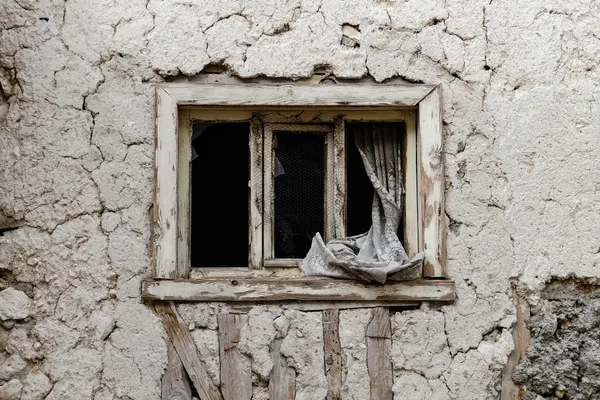
Through-body cracks: breaks that run the full depth of the shell, often along the line of the anchor behind it.

Crazed or spalled glaze: hairline glaze cracks and blisters on glazed terra cotta that let water into the clay body.
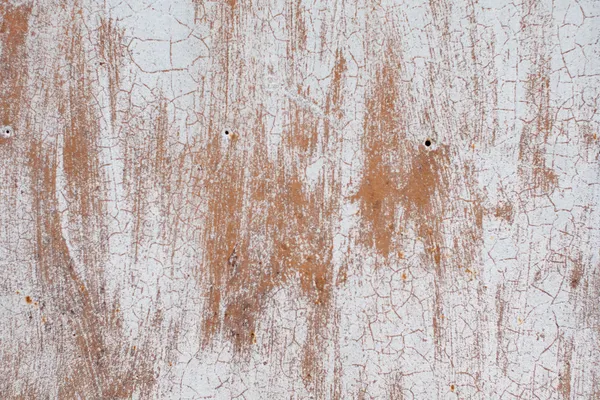
Rust stains and shifted units: orange streaks or pieces out of line, a sign the steel anchors or supports are corroding.

Failed old repairs: cement patches, black caulk and coatings that trap water and no longer match the unit.
How Water Breaks Down Terra Cotta Cladding
Terra cotta was sold as fireproof and long lasting, but it was never waterproof. Water gets in through joints and cracks, collects in the hollow cells and reaches the steel that holds each piece, which rusts, swells and pushes the unit apart from behind.
- Open or overly hard mortar joints that let rain into the hollow cells behind the face
- Steel anchors and frame members rusting and swelling inside the wall
- Frame shortening and heat movement that crush units left with no room to move
Our Terra Cotta Restoration Process, Unit by Unit
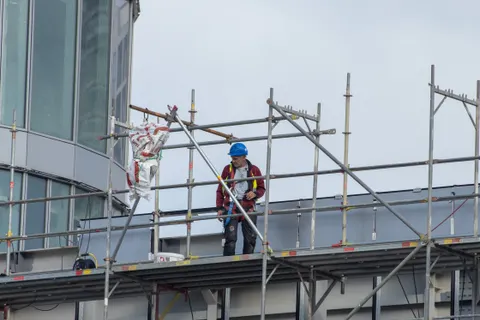
Sound and Map Every Unit
Each piece is tapped with a wooden mallet and marked on elevation drawings. A ringing tone means sound; a flat, hollow tone flags hidden cracking.
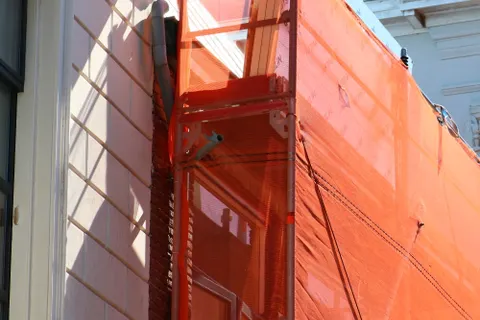
Make Loose Pieces Safe
Units that could fall are strapped, netted or taken down right away, and salvaged pieces are kept as patterns for new work.

Open Up and Reanchor
We open selected units to check the steel, clean or replace corroded anchors with stainless steel and protect the frame from further rust.

Repair or Replace the Units
Glaze cracks are sealed, minor spalls coated, and failed units replaced and mechanically anchored, never held by mortar alone.
Repoint and Close the Water Path
Joints get mortar softer than the terra cotta, with flashing or weeps added where trapped water had no way out.
Terra Cotta Replacement or Repair: Choosing the Right Fix
The right fix depends on the unit’s condition, where it sits on the building and how close people see it.
Seal and Coat in Place
Hairline glaze cracks get a breathable sealer. Small glaze spalls get a tinted masonry coating that usually lasts 5 to 7 years before it is renewed.
Pin and Reset
Sound units that have shifted are taken down or pinned, set on new stainless anchors and pointed back into place.
Recast From the Original
Missing ornament is molded from a matching piece still on the building, so the new unit carries the same profile.
Replace With New Units
New terra cotta is custom made and can take up to a year. GFRC or cast stone can stand in where the rules allow, at lower weight.
Terra Cotta on Landmark Buildings
On a landmark or in a historic district, LPC approval comes before any unit is replaced, and new terra cotta is generally required on the lower floors of the main facade. Our landmark facade restoration team prepares the samples and specifications LPC reviews, so production of new units can start as soon as the permit is issued.
Matching Color, Glaze and Weight on New Units
A replacement piece has to match the wall around it in color and finish, and sit safely on its anchors.
Glaze and Color Matching
Samples are fired or tinted against a clean original unit and checked in daylight. New units come out more uniform than historic ones, so we match to the wall, not a catalog chip.
Lighter Substitutes Up High
GFRC is a thin shell like terra cotta but far lighter, which helps on upper floors and projecting cornices. We avoid fiberglass, which tends to fail sooner.
Terra Cotta Repair Cost: What Changes the Price
| Factor | Why It Matters |
|---|---|
|
Repair or replace |
Sealing and coating in place costs far less than making and setting new units. |
|
Count of failed units |
Units are priced one by one, so the sounding survey sets the real quantity. |
|
Anchor condition |
Rusted steel behind the face adds opening, cleaning and new stainless anchors. |
|
Custom production |
New terra cotta needs molds and firing, while GFRC can cut both cost and lead time. |
|
Access and height |
Scaffold or rig time grows with the height and reach of the work. |
- Most units are hollow shells about an inch thick
- A flat, hollow tap tone means hidden damage
- Custom replacement units can take up to a year
What Owners Ask Us About Terra Cotta
A fired clay building material cast in hollow blocks, often with a glazed face, used widely on New York buildings from the late 1800s through the 1930s. It was made to look like carved stone while being lighter and cheaper to produce.
Mostly because of water. It gets in through joints and glaze cracks and rusts the steel anchors and frame behind the units. The rusting steel swells and splits the terra cotta from the inside.
Not as a lasting fix. Each unit is a thin hollow shell, so cement patches bond poorly and often fall off. Small glaze spalls are better coated, and deeply damaged units are replaced.
Start with water, a mild detergent and a natural or nylon brush. Sandblasting, high-pressure water, metal brushes and strong acids damage the glaze and should not be used.
Custom units are molded and fired to order, and production can take up to a year. That is why we survey early and keep the area safe while new pieces are made.
It can be. If a cracked or loose unit could fall, your inspector must report it as Unsafe, which means public protection right away and repairs within 90 days. Hairline glaze cracks on sound units are usually listed for later repair instead.