Sidewalk Shed Removal Manhattan
A sidewalk shed only comes down when the condition behind it is fixed and DOB accepts the paperwork. We finish the facade work the shed is protecting, line up the filings with your inspector and take the shed down section by section as each area clears.
How Do You Get a Sidewalk Shed Removed in NYC?
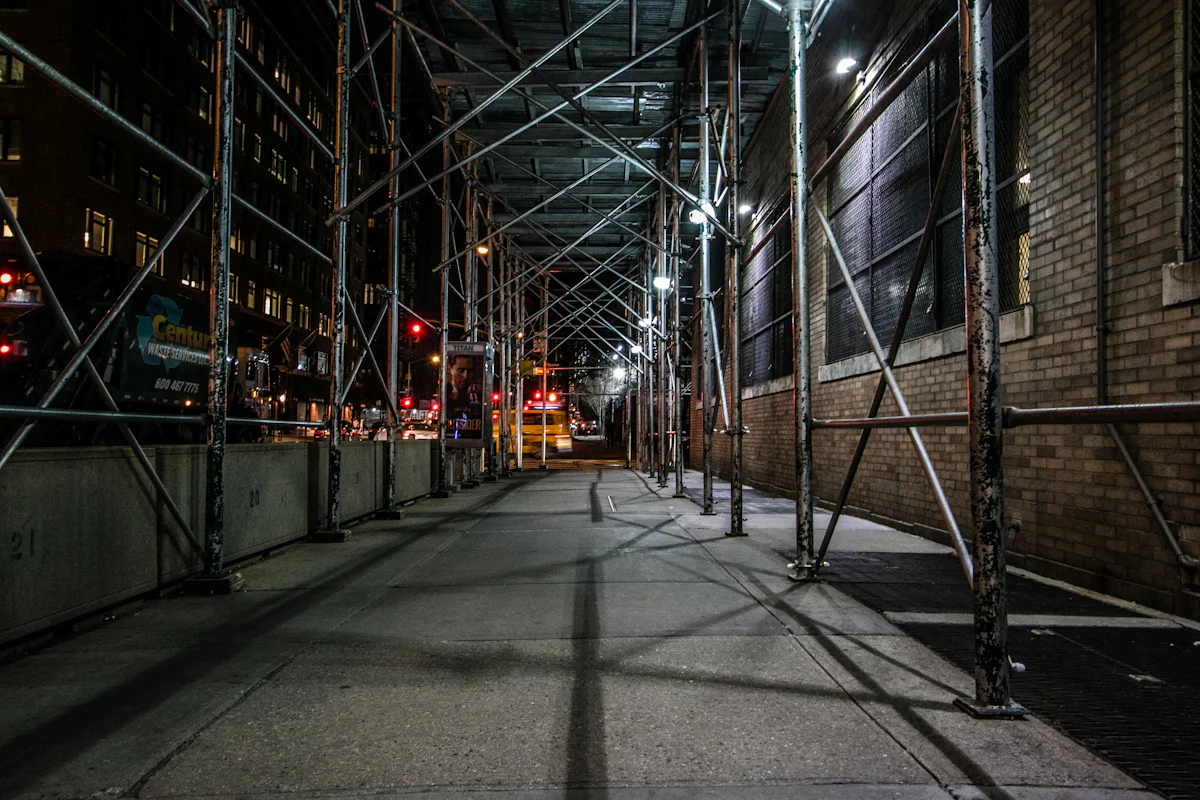
A sidewalk shed can come down once the condition it protects is no longer a hazard and DOB accepts that. For a shed put up after an Unsafe facade finding, the repairs must be finished and DOB must accept your inspector’s amended report, or grant a public safety release for the repaired area. Until then the shed needs a valid permit, which now runs 90 days at a time and is renewed with a progress report from a registered design professional.
We plan backward from that sign-off. Every repair under the shed gets a place in the schedule, finished sections are documented for release, and each stretch of shed comes down as soon as it is cleared. Under the city’s newer shed laws, a shed with no work underway costs more every month it stands, so a firm finish date protects your budget as well as your sidewalk.
Sidewalk Sheds That Stay Up Too Long
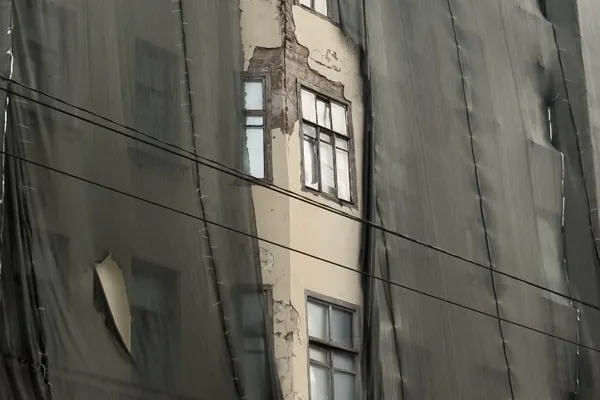
Stalled repairs: sheds still standing after the repair contract stopped, or was never signed.

Finished work, open paperwork: repairs done, but the amended report or permit sign-offs are still pending.
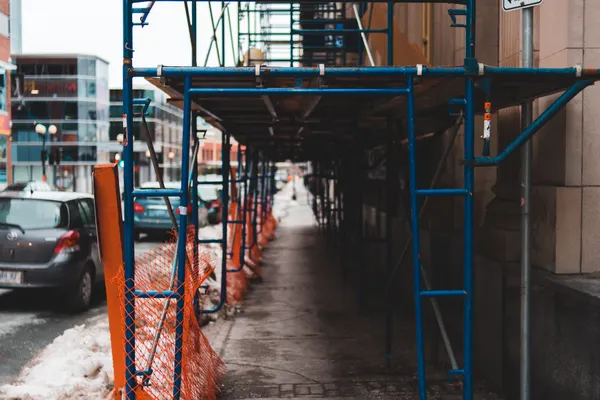
Oversized sheds: long runs kept up over facade sections that were never part of the problem.
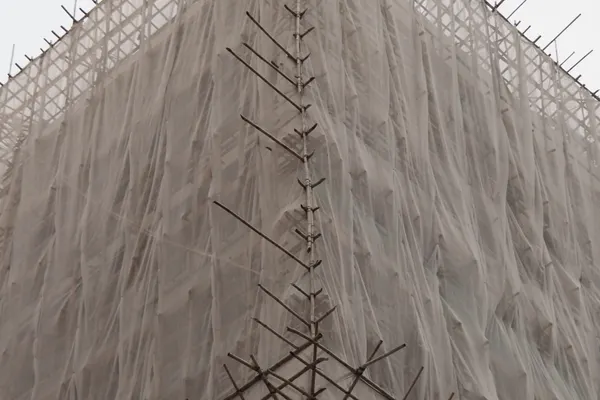
Shared frontage: sheds left in place because work on a neighboring building or a later phase was never scheduled.
Why Manhattan Sheds Outlast the Work
Most sheds stay up because the repair behind them stalls, not because the repair is hard. Every month of delay adds rent for the shed and, under the newer rules, penalties for standing idle.
- Repairs priced and approved slowly, so the filing milestones tied to the shed permit slip
- Owners holding off to bundle the work with a later inspection or capital project
- Finished repairs never documented, so the inspector has nothing to file for release
What We Do to Bring a Sidewalk Shed Down
Audit the Shed and Its Permit
We check the permit term, the renewal history and any open DOB penalties. Then each stretch of shed is matched to the condition it protects.
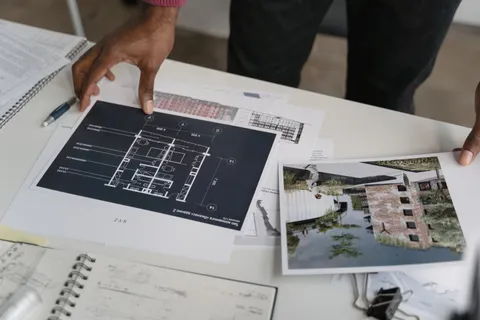
Scope and File the Repairs
We price the remaining facade work and move construction documents and permit applications ahead of the city’s filing milestones.
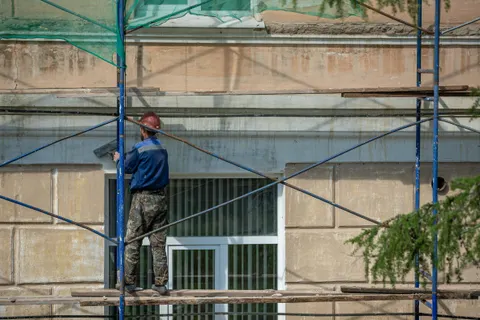
Repair One Stretch at a Time
Crews finish the work behind one section of shed before moving on, so cleared sections can come down early.
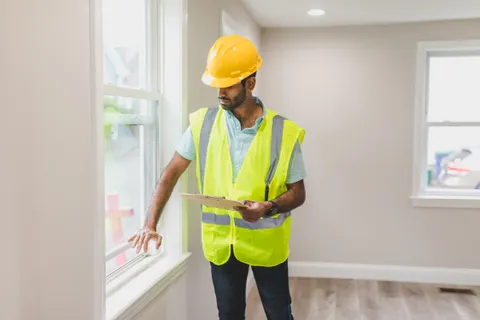
Document Each Area for Release
Every finished area gets dated photos and repair notes. Your inspector uses them to request a public safety release or file the amended report.
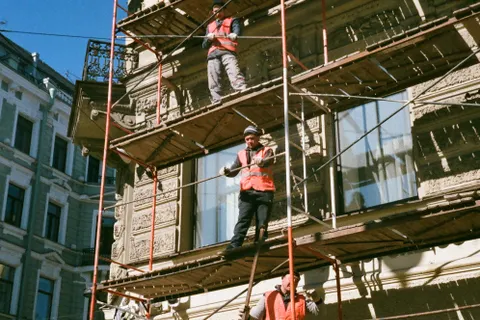
Dismantle and Clear the Sidewalk
Once DOB accepts the release, the shed comes down, the sidewalk is cleaned and the shed permit is closed out.
The Sidewalk Shed Clock Under the City's Newer Laws
Since Local Laws 48 and 51 took effect, a shed tied to facade repairs runs on a set of city deadlines. Each one is a point where the shed either moves toward removal or starts costing more.
Shed Permit Issued
The permit runs for 90 days. Every renewal needs a registered design professional’s report on the work done and the time still needed.
Repair Drawings Filed
Complete construction documents for the repair must be filed within five months of the first shed permit.
Work Permit Application Filed
A complete work permit application must be filed, and actively pursued, within eight months.
Repairs Completed
The permitted repair work must be finished within two years unless DOB grants an extension. Each missed milestone can bring a penalty of $5,000 to $20,000.
Idle Shed Penalties
From the second renewal, a shed with no work underway draws a monthly penalty per linear foot that rises with its age, up to $6,000 a month. Showing real repair progress can pause it.
Sidewalk Sheds on Landmark Buildings
LPC review can add weeks before facade work starts, and the shed has to stay up the whole time. We file for LPC approval early so review time does not push your shed past its city milestones.
Shed Design, Netting and Sidewalk Access
How a shed is built affects the street below and how fast crews can work above it.
Height, Lighting and Color
Sheds put up under the newer rules must clear at least 12 feet where that does not block light, air or fire escapes. They also need brighter lighting, and more colors are allowed, including colors that match the facade.
Netting and Shorter Runs
Where DOB rules allow containment netting in place of a full shed, we price it as an option. On tall buildings we plan rigs and drops so the shed covers only the stretch still under repair.
What Sets the Cost of Taking a Shed Down
| Factor | Why It Matters |
|---|---|
|
Repairs still open |
The shed cannot come down until the work behind it is done, so the remaining repairs drive most of the cost. |
|
Shed length and height |
Longer and taller sheds take more labor and trucking to dismantle and haul away. |
|
Monthly rental |
Sheds are usually rented by the month, so every month cut from the schedule lowers the total. |
|
Idle shed penalties |
Penalties per linear foot grow the longer a shed stands without work underway. |
|
Filings and reports |
Progress reports, release requests and permit close-out take professional time at each step. |
- Permit term: 90 days, then renewal
- Each renewal: a design professional's progress report
- Idle sheds: penalties up to $6,000 a month
Sidewalk Shed Questions From Manhattan Owners
A temporary covered walkway built over the sidewalk to protect people from falling debris during facade work or after an Unsafe facade finding. In New York City it needs a DOB permit for as long as it stands.
There is no fixed end date, but each permit now runs 90 days and every renewal needs a progress report from a registered design professional. A shed left up without active work draws monthly penalties that grow with its age.
Under Local Law 48, a shed with no work underway can be charged $10 per linear foot per month while it is under three years old, $100 from three to four years, and $200 after four years, capped at $6,000 a month.
Under Local Law 51, repair drawings are due within five months of the first shed permit, a complete work permit application within eight months, and finished repairs within two years. Each missed milestone can cost $5,000 to $20,000.
Yes. Once a section of facade is repaired, your inspector can ask DOB for a public safety release covering that area. DOB decides whether to grant it, and the released stretch of shed can then come down.
No. They do not apply to one- and two-family homes, or to sheds put up for permitted new building, enlargement or demolition work.