FISP Repair Manhattan
Your inspector has filed the report. Now every SWARMP and Unsafe item on it needs a repair, a date and proof the work was done. We take the whole report, build the repair scope around its deadlines and carry each item through to sign-off.
What Are FISP Repairs in NYC?
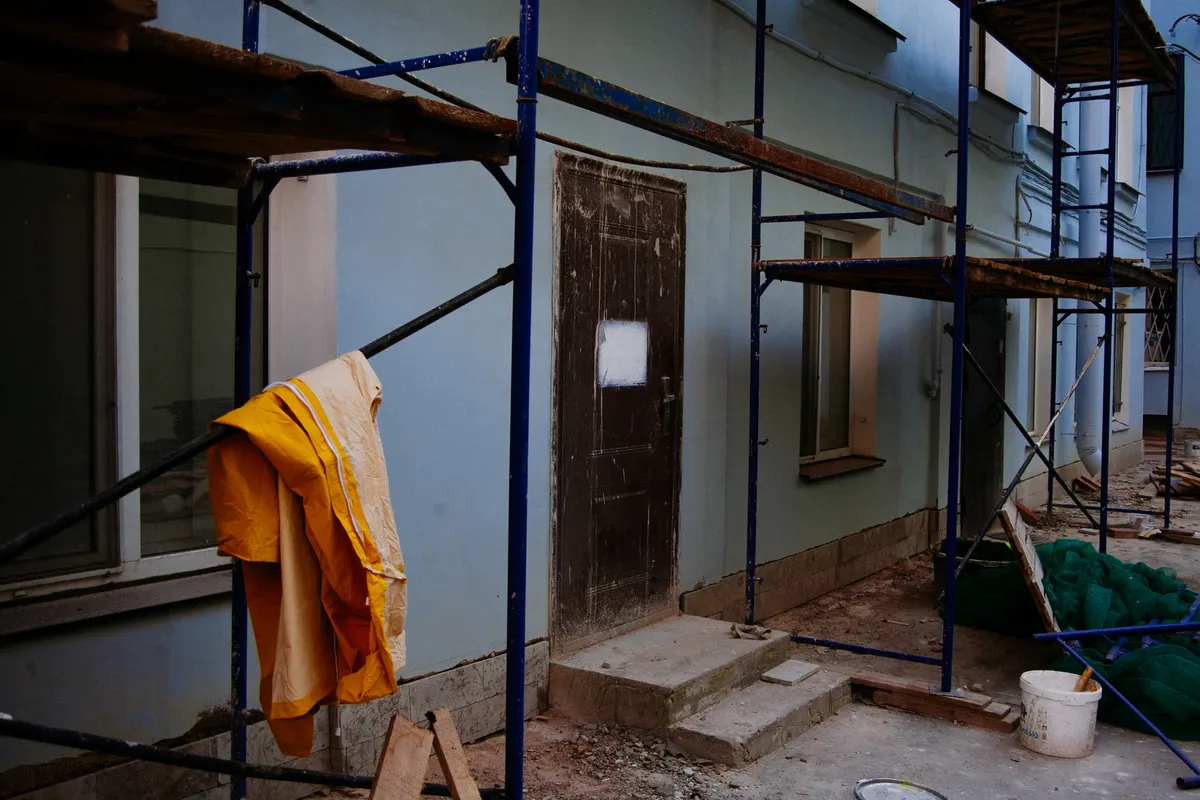
FISP repairs are the work an owner must complete after a Qualified Exterior Wall Inspector files a Facade Inspection Safety Program report with the Department of Buildings. Conditions rated Unsafe must be repaired within 90 days of the filing. SWARMP conditions must be repaired by the completion date the inspector sets, which falls between one and five years out.
We work from the report itself, not from a fresh guess. Each listed condition, from a cracked lintel on an upper floor to loose coping at the roof, becomes a line in our scope with its location, repair method and deadline. When the work is done, your inspector has the photos and records needed to file the amended report for Unsafe items and to confirm SWARMP repairs.
Common FISP Report Conditions We Repair
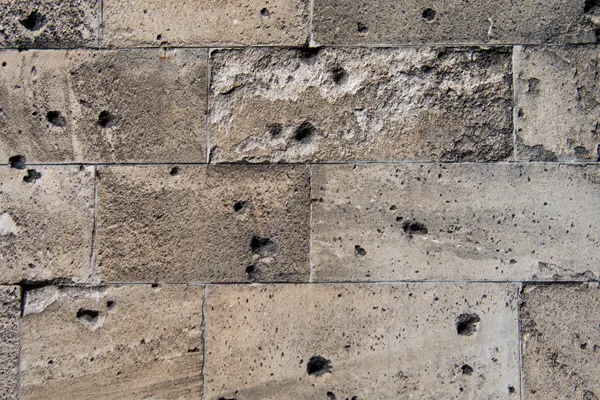
Displaced brick: masonry pushed out of plane at corners, piers and floor lines.
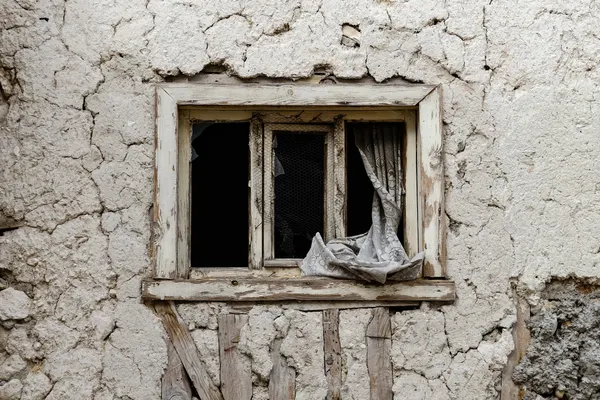
Rusted lintels: steel over windows that swells as it rusts and cracks the brick above.
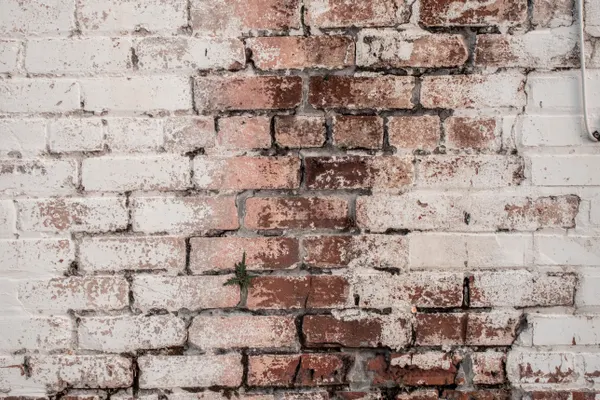
Open joints: failed sealant and eroded mortar that let water into the wall.

Loose attachments: railings, air conditioner brackets and fire escape anchors bolted to the facade.
Why Facades Fail Between FISP Inspections
Most items on a FISP report trace back to water. It enters through open joints and hairline cracks, freezes, rusts the steel buried in the wall, and works the masonry loose over the five years between exams.
- Freeze and thaw cycles that widen small cracks every winter
- Embedded steel, such as lintels and shelf angles, rusting and expanding
- Deferred SWARMP items that keep worsening until they meet the Unsafe standard
Our FISP Repair Process, One Drop at a Time

Mapping Each Condition on the Elevations
Every listed condition is tagged on elevation drawings by drop and floor. Our crew and your inspector work from the same map.
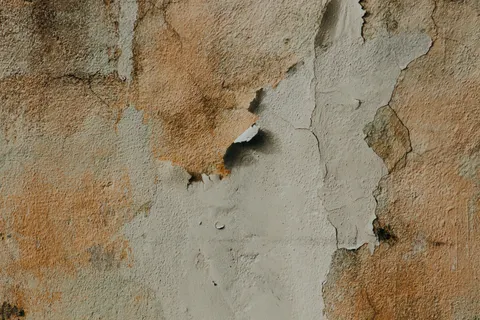
Removing Loose Facade Material
We sound each area by hand and take off anything that could fall. This is always the first task on an Unsafe item.

Brick, Lintel and Joint Repairs
Brick is cut out and rebuilt, lintels are replaced or treated, and joints are raked and repointed to the details your engineer or inspector approves.
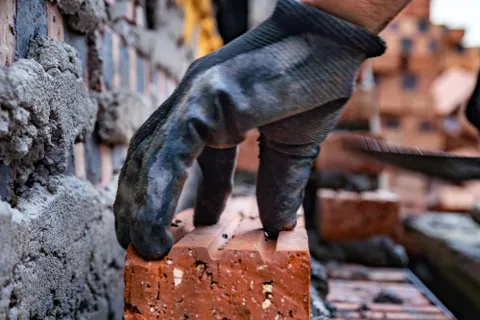
Matching Mortar and Masonry
New brick and mortar are matched for color, strength and texture. A mortar harder than the old brick can crack the units around the repair.

Before and After Repair Photos
Each repair is photographed at the same spot before, during and after the work. Your inspector uses this record to sign off.
How We Schedule FISP Report Repairs
A report can list a handful of items or a few hundred. The order you fix them in decides how long the shed stays up and whether you pay for the same access twice.
Unsafe Items Go First
Unsafe items move to the top with their 90-day clock. SWARMP items are grouped by the completion date your inspector assigned.
Grouping Repairs by Drop
Items on the same drop or elevation are bundled, so one scaffold or rig setup reaches as many of them as possible.
Pulling SWARMP Repairs Forward
When a rig is already up for Unsafe work, nearby SWARMP items usually cost less to fix now than to set up for again later.
Tracking the 90-Day Deadline
If Unsafe work cannot finish in 90 days, your inspector files an extension request with DOB. We supply the progress record and a realistic finish date well before the deadline.
FISP Repairs on Landmark Buildings
If your building is an individual landmark or sits in a historic district, most facade repairs need an LPC permit before work starts. We build that review time into the repair schedule from the first day, the same way we handle landmark facades on every job.
Scaffolding and Sidewalk Protection During Repairs
How a crew reaches the wall drives both the cost and the schedule of a FISP job.
Pipe Scaffold, Suspended Rigs and Rope Access
Pipe scaffold suits lower buildings, suspended rigs suit towers, and rope access suits small repairs spread across a tall facade. We choose by height and by how many drops the report covers.
Getting the Sidewalk Shed Removed
Public protection stays up until DOB approves an amended Safe or SWARMP report, or a partial shed removal. We sequence the repairs so sections of the sidewalk shed can come down as soon as the rules allow.
What Affects FISP Repair Costs in Manhattan
| Factor | Why It Matters |
|---|---|
|
Number of listed conditions |
More items mean more labor, but grouping them by drop lowers the cost of each one. |
|
Classification mix |
Unsafe items run on a 90-day clock and can need longer crew days to meet it. |
|
Building height and access |
Suspended rigs and tall scaffolds cost more to set up than pipe scaffold on a low building. |
|
Facade material |
Terra cotta, carved stone and custom brick take longer to source and match than standard units. |
|
Permits and approvals |
DOB work permits and any LPC review add lead time before repairs can begin. |
- Unsafe items: repaired within 90 days of filing
- SWARMP items: due on the date in your report
- Amended report: filed by your inspector after Unsafe work
FISP and SWARMP Repair FAQs
No. DOB requires an amended report after Unsafe conditions are corrected, not after SWARMP work. SWARMP items must be repaired by the completion date in the report, and your inspector confirms the repairs at the next inspection.
DOB lists a $2,000 penalty for failing to correct SWARMP conditions. The same item also cannot be rated SWARMP in the next report. If it is still unrepaired, the inspector must classify it as Unsafe.
Yes, if your inspector files an extension request and DOB accepts it. Civil penalties apply to any period after the 90 days that an approved extension does not cover.
No. The filed report sets the scope. We confirm each condition on site, and your inspector decides whether any change needs a revised filing.
Often, yes. If scaffold or a rig is already up for Unsafe work, nearby SWARMP items can be repaired without paying for access again. An item fixed now also cannot turn into an Unsafe finding at the next inspection.
After DOB approves an amended Safe or SWARMP report, or a partial shed removal for the finished sections. Our sidewalk shed removal page covers the shed rules in detail.