Unsafe Facade Repair in Manhattan
An Unsafe rating means part of your facade could fall on someone below, and DOB expects work to start right away. We secure the wall, correct every Unsafe item inside the 90-day window and give your inspector what is needed to clear the condition.

What Does Unsafe Facade Repair Involve?
Unsafe facade repair is the work that follows when a Qualified Exterior Wall Inspector finds a condition that puts people or property at risk. The inspector must notify the owner and DOB at once, call 311 and file a Notification of Unsafe Conditions (form FISP3). The owner must put up public protection, such as a sidewalk shed, fence or netting, start repairs immediately and correct every Unsafe condition within 90 days of the report filing.
We take over from that first call. Our crew confirms the protection covers every exposure, takes down anything that could fall and then repairs each Unsafe item in order of risk. When the work is complete, your inspector reinspects within two weeks and files the amended report with our photos and records. If the same report also lists SWARMP items, our FISP repairs page explains how we plan the full report.
Unsafe Facade Conditions We Make Safe
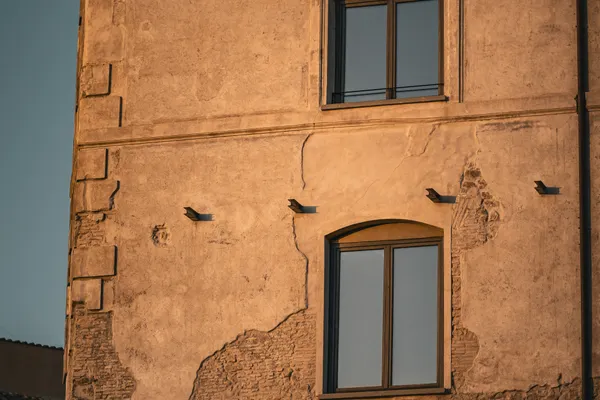
Spalled stone and terra cotta: cracked faces and corners that can break off and drop to the sidewalk.
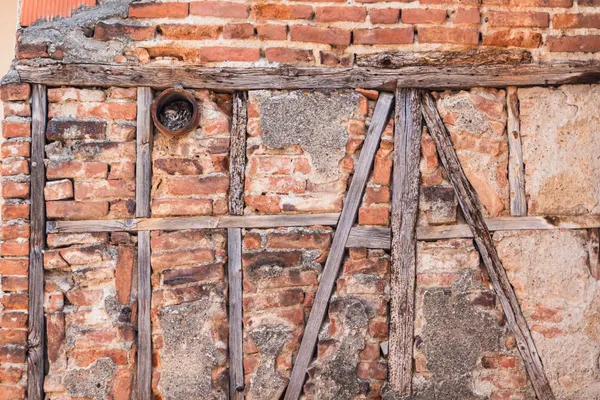
Bulging brick: outer brick pulling away from the wall behind it after ties fail or hidden steel rusts.

Leaning parapets: roof-edge walls and coping stones that have shifted or come loose.

Detaching cornices: sheet metal or stone cornice sections separating from their supports.
How a Facade Condition Turns Unsafe
An Unsafe finding is rarely sudden. It usually starts as a hairline crack, a stained joint or a small repair that was put off, and grows until a piece is loose enough to fall.
- Earlier patch work done with mortar or sealant that trapped water inside the wall
- Vibration, impact or storm damage that loosens units already weakened by age
- Known conditions left past the date set for them in the last inspection report
How We Correct an Unsafe Facade Condition

Secure the Area Below
We check that the shed, fence or netting your inspector called for covers every exposure. Any gap is closed before crews go up the wall.
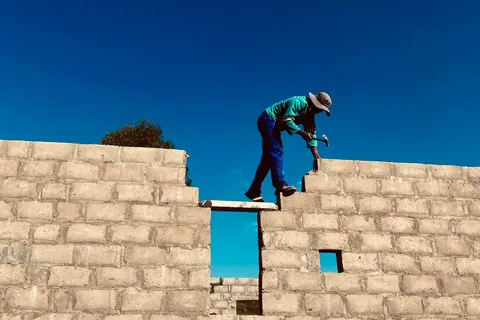
Take Down What Could Fall
Crews reach each tagged location and remove material that is cracked through or no longer anchored. Original pieces worth saving are numbered and stored.
Stabilize What Stays
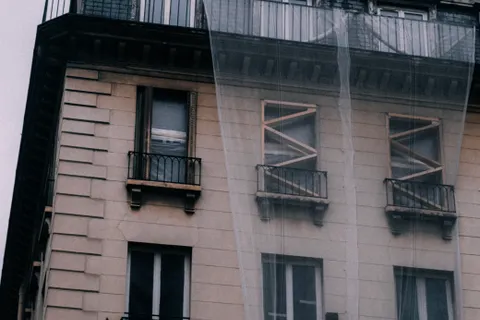
Where a section cannot come down, we strap, pin or net it in place. The wall stays safe while permanent repairs are prepared and permitted.
Make the Permanent Repair
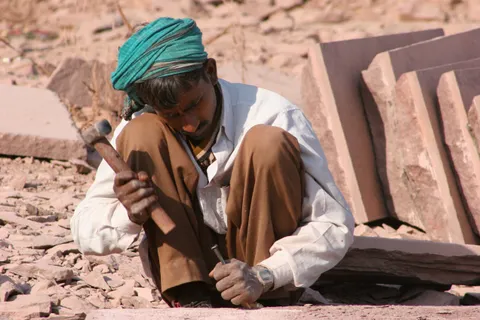
Masonry is rebuilt, new anchors and ties go in, and stone or terra cotta is patched or replaced. Every repair follows the details approved for the job.
Hand Over the Close-Out Record
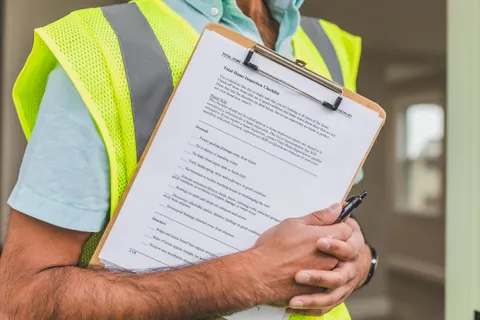
Your inspector gets dated photos, repair locations and permit sign-off status. That record supports the reinspection and the amended report.
How the 90-Day Unsafe Clock Plays Out
Every Unsafe filing moves through the same four stages. Knowing which one you are in tells you what DOB expects next.
Notice and Protection
Your inspector notifies you and DOB, calls 311 and files form FISP3. Public protection goes up right away, in the type and location the inspector specifies.
Make-Safe and Repairs
Loose material comes off first. Permanent repairs follow under the DOB permits the work needs.
Extension If Needed
If repairs cannot finish in 90 days, your inspector can request up to 90 more days on form FISP1, with proof the site is secure, the repair contract and a timeline. Cost alone is not accepted as a reason.
Reinspection and Amended Report
Within two weeks of completion, your inspector reinspects and files the amended report. Protection stays until DOB accepts it.
Unsafe Conditions on Landmark Buildings
Protecting the public comes first, even on a landmark facade. We photograph and tag every original piece that comes off, so the permanent repair can go to LPC for review with a full record of what was there.
Is something loose or falling right now? Keep people clear of the area and call 911 or 311 first, then call us at (917) 355-8556.
Public Protection and Access While Repairs Run
Protection keeps the sidewalk usable while the wall is unsafe. Access decides how fast crews can reach each condition.
Sheds, Fences and Netting
Your inspector names the type and location of protection in the Unsafe notice. Sheds cover busy sidewalks, fences close off yards and setbacks, and netting holds small pieces on the face of the wall.
Releasing the Protection
Protection stays in place until DOB accepts the amended report, or grants a public safety release for a finished area. We sequence repairs so your sidewalk shed can come down section by section as early as the rules allow.
What Drives the Cost of Unsafe Facade Repairs
| Factor | Why It Matters |
|---|---|
|
Material to remove |
Make-safe work is priced by how much has to come off and how hard it is to reach. |
|
Temporary stabilization |
Strapping, pinning or netting sections that stay in place adds labor before permanent repairs start. |
|
Time under protection |
Every month a shed stays up adds rental cost, and DOB penalties for uncorrected Unsafe conditions build the longer it stays. |
|
Replacement units |
Custom stone or terra cotta can take weeks to produce, which can push a job toward an extension request. |
|
Schedule pressure |
Finishing inside 90 days can call for larger crews or extra shifts. |
- Repairs: start at once, finish within 90 days
- Extension: up to 90 more days on FISP1
- Reinspection: within two weeks of completion
Questions About Unsafe Facade Conditions
Your Qualified Exterior Wall Inspector. They must tell you and DOB as soon as the condition is found, call 311 and file form FISP3 in DOB NOW: Safety.
Repairs must start immediately and be finished within 90 days of the report filing. Your inspector can ask DOB for more time if the work truly needs it.
DOB rules set a civil penalty of $1,000 a month until the condition is corrected. After the first year, an added charge applies for each linear foot of sidewalk shed, and that rate rises every year.
No. DOB rules state that financial reasons are not accepted when deciding whether to extend the deadline for Unsafe repairs.
Most do. Rebuilding masonry, replacing stone or terra cotta and putting up a sidewalk shed all need permits, and the owner must have them signed off before the amended report is accepted.
Usually not. An Unsafe rating covers the exterior wall and the public space around it. People stay in the building unless DOB issues a separate vacate order.