
Cornice Repair and Replacement Manhattan
A building cornice is the largest piece that hangs out over the sidewalk, and most in Manhattan are sheet metal shells on a hidden steel or wood frame. When that frame rusts or rots, a whole run can sag or pull away from the wall. We secure the cornice, rebuild what holds it up, and restore or replace the face so it keeps its original line.
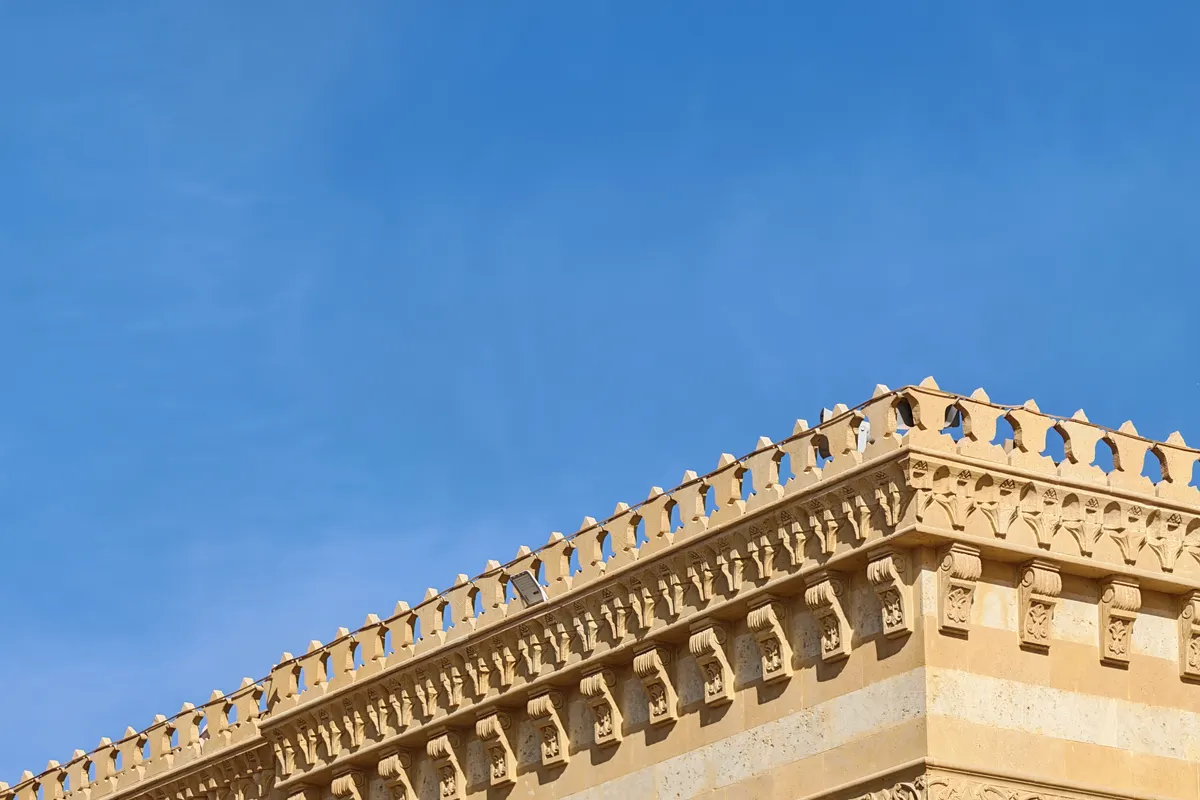
Should a Damaged Cornice Be Repaired or Replaced?
Repair is usually the better choice when the frame and most of the face are sound. Rusted panels, split seams and missing ornament can be patched, re-fastened or replaced piece by piece with matching metal, then primed and painted. Full cornice replacement makes sense when the supporting frame has failed along much of the run, or when years of patching have left more filler than original material.
We open and inspect the cornice from scaffolding or a rig before recommending either path, checking the brackets, outriggers, anchors and the roof edge where most water gets in. If your inspector has flagged it as an Unsafe condition, loose sections are secured or taken down first and the permanent work follows.
Cornice Types Found on Manhattan Buildings
Sheet metal and copper: galvanized steel or copper shells over a hidden frame, the most common cornice on row houses and walk-ups.
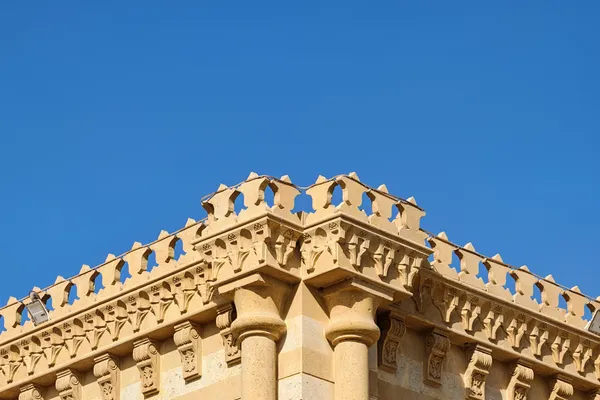
Stone and cast stone: solid projecting courses that crack at the joints or along the anchors set into the wall.
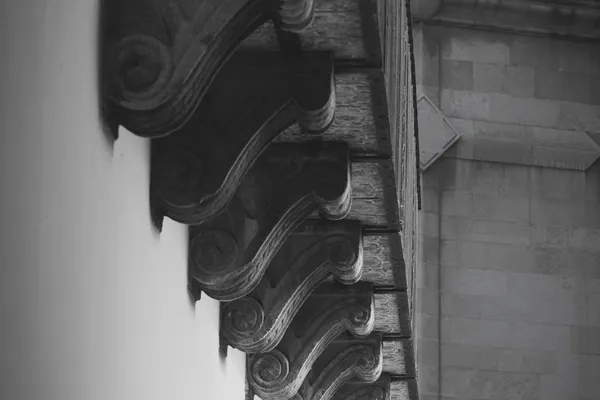
Bracketed cornices: decorative cornice brackets and modillions that rust, split or drop from the underside.
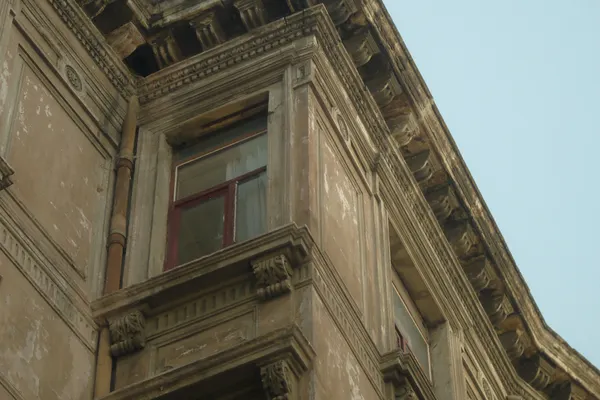
Terra cotta cornices: hollow clay units on steel outriggers, repaired with our terra cotta methods.
Why a Cornice Pulls Away From the Facade
A cornice sits at the top of the wall, where rain, snow and wind hit hardest. Once water gets past the roof edge or a split seam, it reaches the frame inside, so the cornice fails from the inside out, usually long before the damage shows from the street.
- Open seams and failed roof flashing that let water into the hollow cornice
- Rusted steel outriggers or rotted wood lookouts that no longer carry the weight
- Paint left to fail and bird nests that hold moisture, so bare metal corrodes and ornament loosens
Cornice Restoration, Step by Step
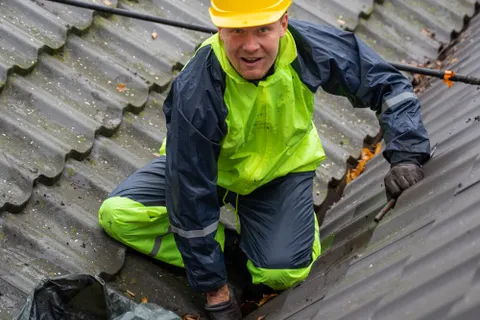
Inspect From the Face and the Roof
We check the cornice from scaffolding and from the roof side, opening panels where needed to see the frame, brackets and anchors.
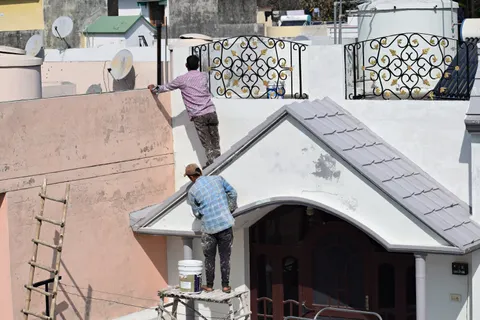
Secure Loose Sections
Sections that could fall are strapped back, braced or taken down and stored, with ornament kept as patterns.
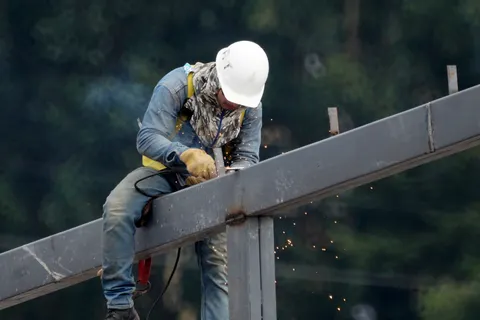
Rebuild the Frame and Brackets
Rusted outriggers and rotted lookouts are replaced or reinforced, brackets are re-fixed and new hangers go in where the old ones failed.
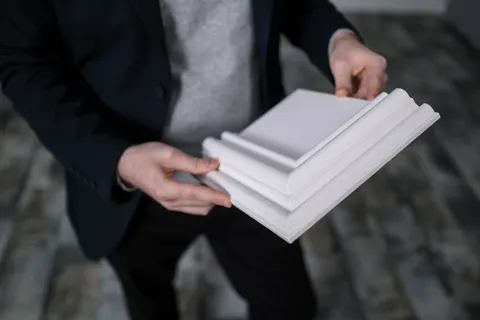
Restore the Face and Ornament
Panels and moldings are patched or replaced in matching metal and fixed with stainless fasteners, and missing details are recast.
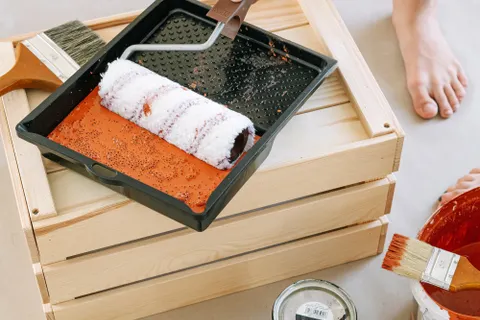
Flash, Prime and Paint
The roof edge is re-flashed, seams are closed and every metal surface gets a zinc-rich primer and two finish coats.
Cornice Replacement Materials Compared
When a section cannot be saved, the new material has to match the profile from the street and suit what the wall can carry.
New Sheet Metal or Copper
Galvanized steel or copper formed to the original profile. It matches the look and weight of most row house cornices.
Fiberglass Cornice
FRP shells about 3/16 inch thick come in sections up to 16 feet long. They do not rust and need no heavy steel supports.
GFRC Sections
Glass fiber reinforced concrete can be molded to match stone or terra cotta. It is heavier than fiberglass but far lighter than masonry.
Stone or Terra Cotta
Replacing in kind keeps the original fabric and is often what LPC expects, but it needs stainless anchors and strong supports.
Cornice Removal Is Rarely a Shortcut
Taking a cornice off leaves a raw wall edge that usually needs masonry work and new coping on the parapet behind it. On a landmark or in a historic district, removing a cornice needs a Certificate of Appropriateness from the full Commission, which our landmark facade team can walk you through.
What Holds a Cornice Up, and Why It Matters
The face is what people see from the street, but the frame behind it decides whether a cornice stays on the building.
Structural Frame and Anchors
Outriggers, lookouts and anchors carry the cornice back into the wall or roof framing. We replace rusted steel with galvanized or stainless parts and repair rot in wood framing.
Light Shells Still Need a Sound Frame
Fiberglass and GFRC sections are decorative only and carry no load, so the frame behind them must be sound. Their lower weight does ease the load on an aging wall.
How Cornice Repair Is Priced
| Factor | Why It Matters |
|---|---|
|
Length and projection |
Cornices are priced by the linear foot, and deeper projections need more material and support. |
|
Frame condition |
Rusted outriggers or rotted lookouts add structural work behind the face. |
|
Ornament to recast |
Brackets, modillions and moldings that must be remade add shop time. |
|
Material choice |
Sheet metal, fiberglass, GFRC and stone differ widely in cost and weight. |
|
Access |
Scaffold, sidewalk protection and roof access drive cost on tall or busy frontages. |
- Cornices are priced by the linear foot
- Fiberglass shells run about 3/16 inch thick
- Checked up close in every FISP cycle
Answers on Cornice Repair and Replacement
The projecting molding that crowns the top of a facade. It throws water away from the wall and finishes the roofline. On older Manhattan buildings it is usually sheet metal, stone or terra cotta over a hidden frame.
Yes. FISP covers the exterior walls and attached elements of buildings taller than six stories, and the cornice is checked up close. Loose or badly rusted sections are often reported as Unsafe.
Often, yes. If the face is mostly sound, the frame and brackets can be rebuilt behind it and the cornice fixed back to its original line.
Yes, and they are a common replacement. On a landmark, LPC must approve the material, and the new cornice has to match the original in profile, detail and color.
Small repairs can be done in days once access is up. Full rebuilds or replacements take longer, because new sections and ornament are made to order.
Water running through rusted panels, fasteners or the steel frame inside. Stains on the wall below are an early sign the cornice should be opened and checked.