
High-Rise Facade Repair in Manhattan, From the Top Floor Down
On a tall building, getting to the damage is half the job. We plan the swing stage, mast climber or rope access for each face of your Manhattan high-rise, then repair the brick veneer, shelf angles, balconies, concrete and sealant your Local Law 11 report lists. Every drop is photographed, so your inspector has what they need to close the filing.
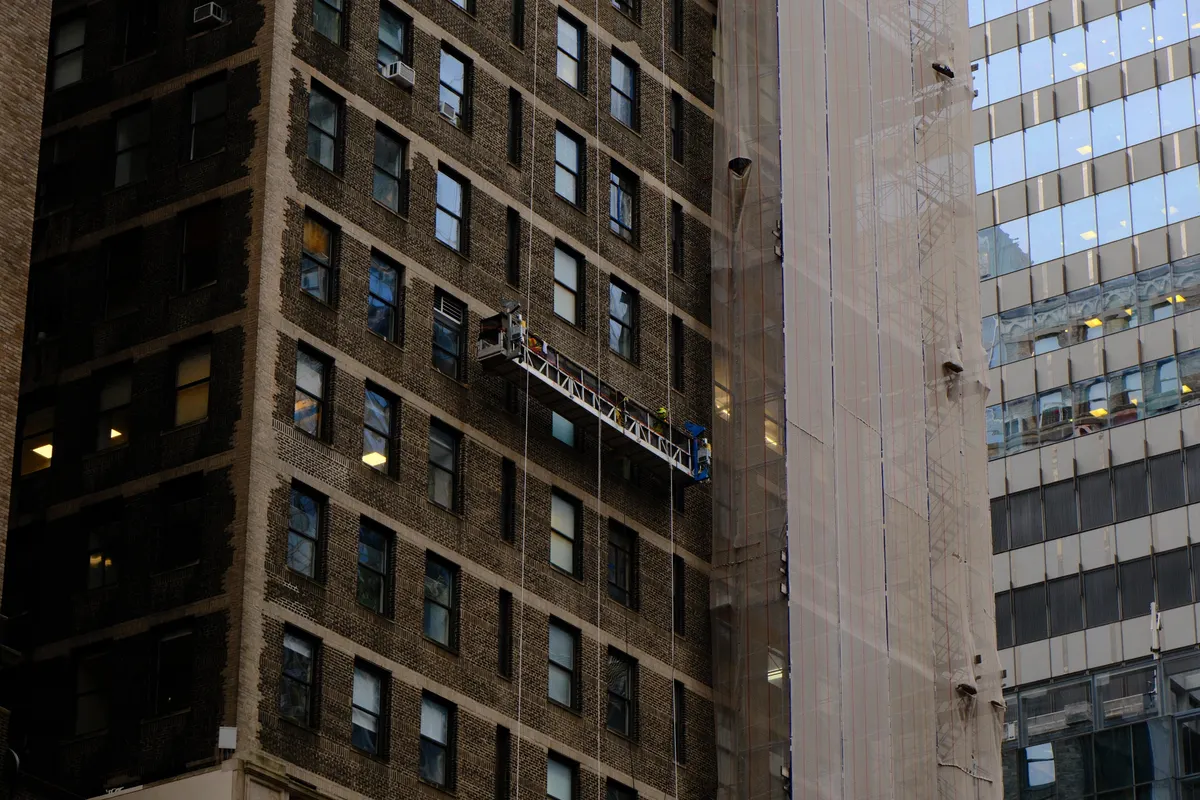
How Is Facade Repair on a NYC High-Rise Different From a Low Building?
Any New York City building taller than six stories falls under Local Law 11, which DOB runs as the Facade Inspection and Safety Program. Every five years a Qualified Exterior Wall Inspector (QEWI) looks at every facade and makes close-up, hands-on checks at least every 60 feet of wall. On a high-rise, each of those checks and each repair that follows needs a rig: a swing stage, a mast climber, rope access or a lift, put up under DOB rules by licensed or DOB-trained crews.
The walls are built differently too. Brick on a tall frame is a thin veneer carried on steel shelf angles at each floor and tied back to the structure, and windows, joints and balconies all rely on sealant. That hidden steel and those joints are where most high-rise facade restoration in NYC starts. Our FISP repairs page covers the full report process; this page is about the work at height.
Problems Inspectors Flag on Manhattan High-Rise Facades
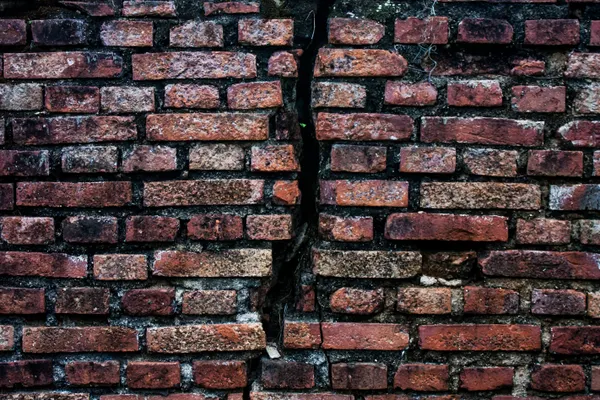
Bulging brick at the floor lines: horizontal cracks and brick pushed outward where a rusting shelf angle is swelling behind the veneer.
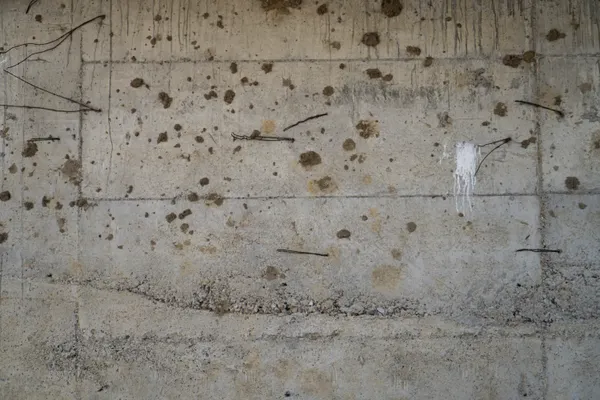
Spalled slab edges: concrete popping off balconies and exposed slab edges as the rebar inside rusts and expands.
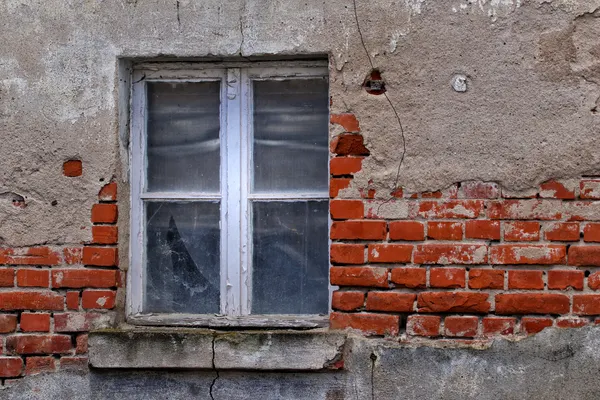
Dried-out sealant: split or missing caulk around windows and expansion joints, letting rain run behind the facade.

Loose balcony railings: posts rusted at the base or anchors working free, one of the most common findings on tall buildings.
Why Tall Buildings Crack in Places Low Ones Don't
A high-rise frame never sits still. It sways in the wind, grows and shrinks with the seasons, and a concrete frame slowly shortens for decades. Brick does the opposite and grows a little as it ages. When the joint under each shelf angle was filled solid, the wall has nowhere to go but out.
- Frame shortening that squeezes brick with no soft joint under the shelf angle
- Wind and heat moving long runs of wall further than the old joints can stretch
- Water reaching steel ties, angles and rebar through open mortar and dead sealant
Our High-Rise Facade Restoration in NYC, One Drop at a Time
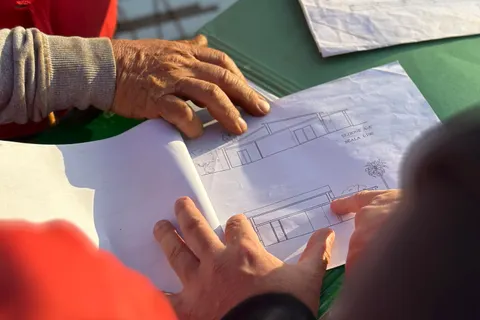
Map the Report by Drop Line
Every finding in your QEWI report is placed on the elevations, so each rig position covers as much work as it can.
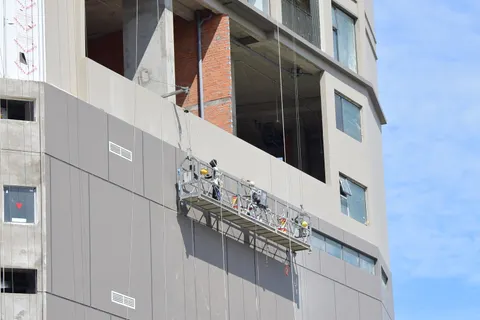
Rig, Permit and Protect
The access method is chosen face by face, and permits, rigging and sidewalk protection are in place before anyone goes over the edge.
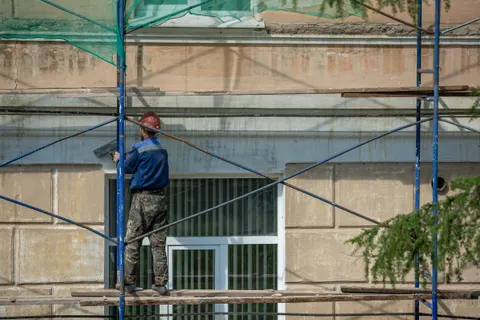
Open Up at the Floor Lines
Small probes at shelf angles and slab edges show whether the steel, ties or rebar behind the face are rusting.
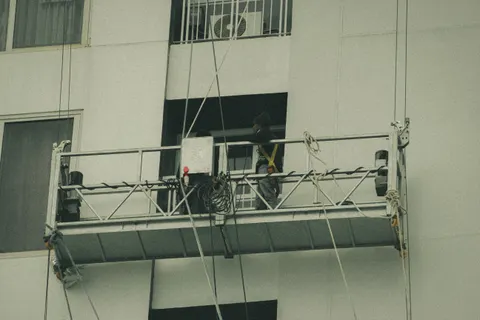
Fix the Steel, Then the Skin
Angles are cleaned and coated or replaced, soft joints are cut in, and brick veneer repair and concrete patching follow.
Seal, Photograph and Strike the Rig
Joints are resealed, each drop is documented for the amended report, and the rig moves on or comes down.
Swing Stage, Mast Climber or Rope Access: Getting Crews Up the Building
The rig follows the work. Height, setbacks and how much repair sits on each face decide which one goes up.
Suspended Scaffold (Swing Stage)
Hung from roof outriggers or C-hooks and run floor to floor down one face. A licensed rigger or trained foreman supervises it the whole time.
Mast Climbing Work Platforms
A platform climbs a mast tied to the building and carries crews and pallets of brick, which suits full-height rebuilds.
Rope Access Facade Work
Technicians on ropes reach spot sealant, small patches and close-up checks without a full rig, and move between drops quickly.
Boom Lifts and Building Maintenance Units
Lifts handle setbacks and the first few floors. Where the roof has a BMU with sound davits or tracks, we can work from it.
Pre-War Towers With Terra Cotta Up Top
Many Manhattan towers from before the war carry glazed terra cotta and heavy cornices on their highest floors, the hardest part of the building to reach. We plan that work with our terra cotta and cornice crews, so one rig covers every repair on the drop.
Curtain Wall Repair for Glass and Metal Towers in NYC
Newer high-rises swap brick for glass and aluminum, so they fail at the seals, not the mortar. Catching that early is the cheapest kind of high-rise building maintenance.
Curtain Wall Sealant and Gaskets
Perimeter and stack joints are cut out and resealed, tired gaskets are replaced, and panels are checked for loose glass or failing structural silicone.
Window Wall and Slab Edge Covers
Window wall units are resealed where they meet each slab, and loose metal slab covers and spandrel panels are fastened back to the frame.
High-Rise Facade Repair Cost in NYC Comes Down to These Five Things
| Factor | Why It Matters |
|---|---|
|
Access method |
Swing stages, mast climbers and rope access differ a lot in setup time and daily cost. |
|
Number of drops |
Every rig move takes time, so grouping repairs on each drop keeps the total down. |
|
Steel behind the brick |
Shelf angle replacement adds removal, new steel and relaying the veneer above it. |
|
Sidewalk protection |
A shed or netting stays up along the frontage for the length of the job. |
|
Permits and safety staff |
Rigging permits, plus a site safety plan and staff on buildings of 15 stories or more, add to the job. |
- Facades inspected every five years
- Hands-on check every 60 feet of wall
- Report signed by a DOB-certified QEWI
Answers for Manhattan High-Rise Owners, Boards and Managers
Every NYC building taller than six stories. A QEWI inspects all facades once every five years and files the report with DOB under the Facade Inspection and Safety Program.
It depends on how many drops the repairs need and whether steel is involved. Sealant and patching can take a few weeks, while shelf angle work can run a full season. Unsafe conditions need an amended report within 90 days, or an extension request every 90 days until the work is done.
A Qualified Exterior Wall Inspector: a New York State licensed engineer or architect, certified by DOB, with at least seven years of facade inspection experience. The QEWI inspects and signs the report; we do the repairs it calls for.
A steel angle fastened to the frame at each floor that carries the brick veneer above it. When water rusts it, the steel swells and cracks the brick, and a missing soft joint underneath makes the damage worse.
Not under the current rule. Drones can help with the visual survey, but hands-on checks at least every 60 feet are still required. DOB has proposed changes for a later cycle, including longer cycles and a drone pilot, but they are not in force yet.
A licensed rigger or sign hanger, or a designated foreman who has passed DOB's 32-hour course, must supervise at all times. Every worker on the stage needs a DOB-approved 16-hour course.